


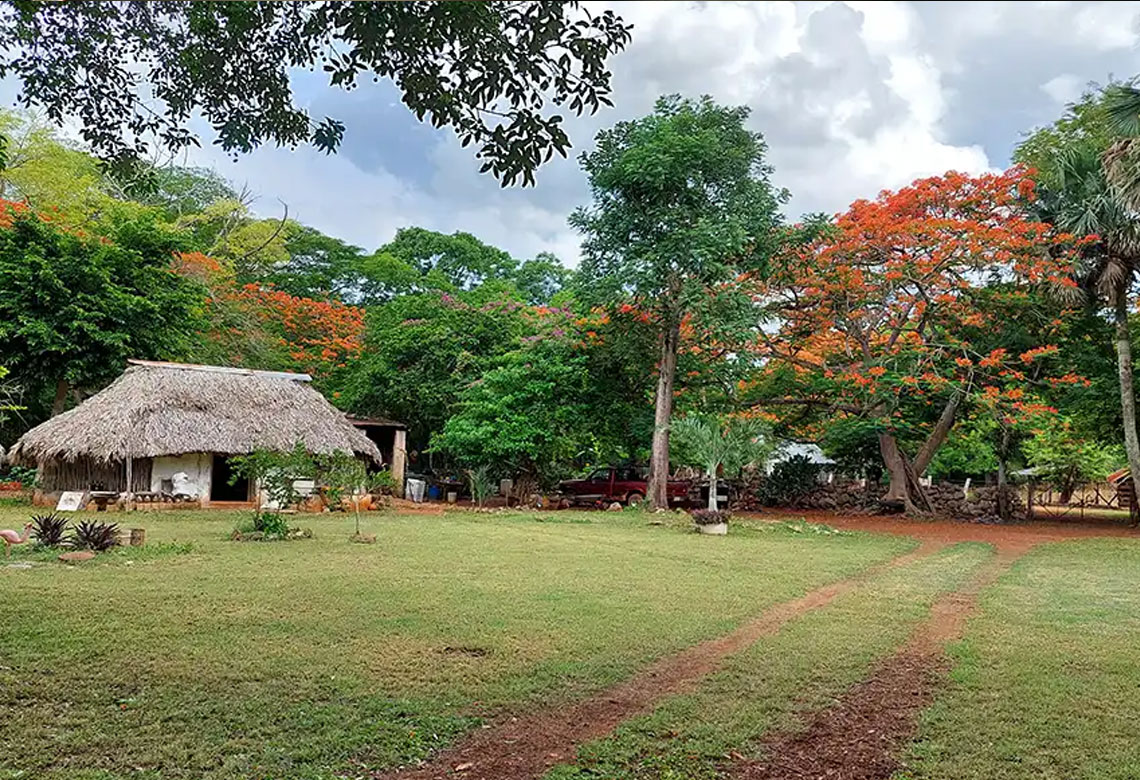
In the highlands of Oaxaca and the fields of Jalisco, a quiet transformation is underway. Rural communities long defined by agricultural output are increasingly turning to tourism—not as a replacement, but as a complement. Farm stays, harvest festivals, and artisanal food workshops are emerging as new economic lifelines, reflecting a strategic shift: integrating tourism into the fabric of rural life to bolster resilience, reinforce identity, and attract investment.
This evolution is not accidental. Under the ‘Sustainable Tourism’ pillar of Mexico’s 2020–2024 National Tourism Strategy, agrotourism has been positioned as a lever for regional development. States such as Oaxaca, Guanajuato, and Michoacán have begun establishing rural tourism corridors that connect farms, markets, and cultural landmarks. These initiatives aim to offer visitors more than scenic vistas—they invite participation in local traditions, from tortilla-making with heirloom maize to learning centuries-old irrigation techniques.
The global appetite for experiential travel and food provenance has helped fuel this momentum. Tourists increasingly seek destinations where sustainability and authenticity intersect. In rural Mexico, that intersection is often found on small farms where indigenous crops are cultivated using traditional methods. Here, tourism becomes a form of cultural transmission—an opportunity for visitors to engage with living heritage while supporting local producers.
Tourism becomes a form of cultural transmission—an opportunity to engage with living heritage while supporting local producers.
For many agricultural communities, rural tourism offers a buffer against volatility. With over five million agricultural producers across Mexico, income diversification is no small matter. Fluctuating commodity prices and climate-related disruptions have made farming less predictable. Tourism provides supplementary revenue streams and can reduce migration pressures by generating opportunities in situ. When managed carefully, it also encourages younger generations to remain engaged with both land and culture.


Yet the path forward is uneven. Rural tourism remains fragmented and often hyper-localized, with limited scalability absent coordinated policy support. Infrastructure gaps—poor road access, limited lodging options, and inadequate digital connectivity—pose significant barriers, particularly in remote areas where tourism potential is high but investment scarce. There is also the risk of over-commercialization, which can erode the very authenticity that draws visitors in the first place.
Policy discussions at federal and state levels are now grappling with how to formalize support without compromising environmental or cultural integrity. The challenge lies in striking a balance: enabling growth while preserving the intimate scale that makes rural tourism distinctive. Training programs, investment in sustainable infrastructure, and mechanisms for community-led governance may prove essential in ensuring that tourism enhances rather than displaces rural livelihoods.
Mexico’s agricultural heartlands are thus becoming laboratories for a broader experiment—one that blends productivity with preservation, tradition with innovation. As global interest in sustainable travel deepens, these regions offer a compelling model of how cultural and economic goals can align. If supported thoughtfully, rural tourism could become not just an adjunct to agriculture but a pillar of a more diversified and resilient rural economy.


