


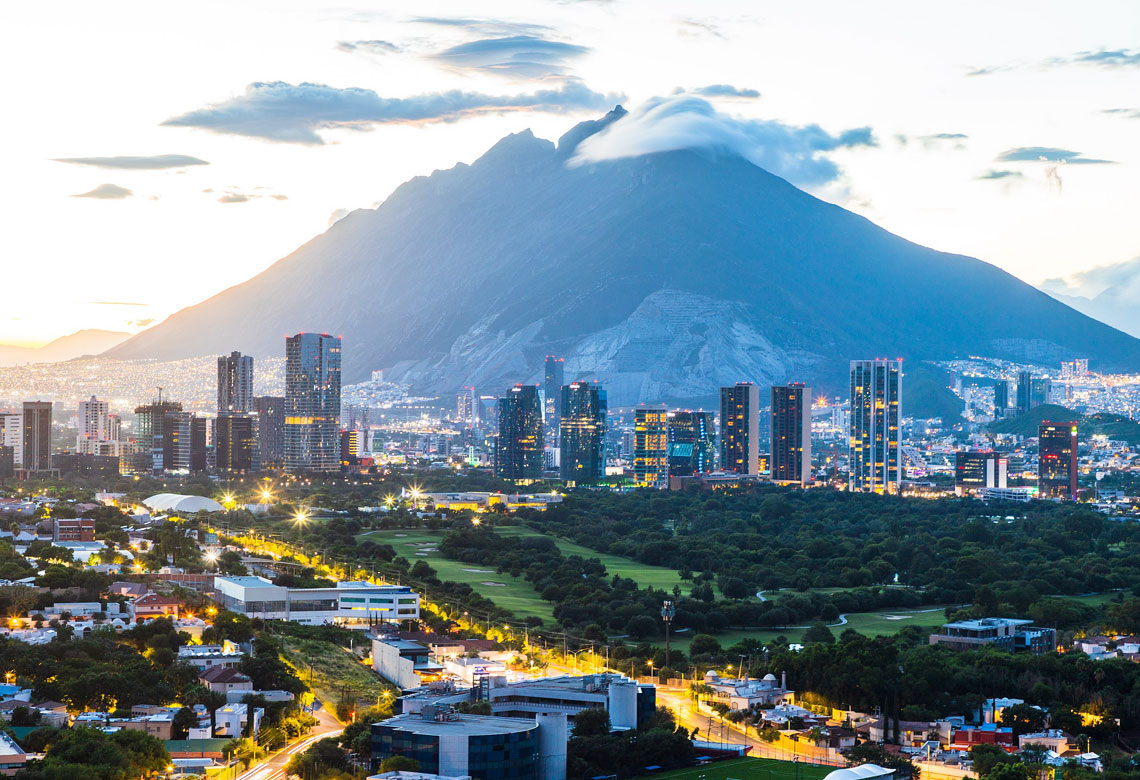
With less than a year and a half until the 2026 FIFA World Cup, Monterrey is already feeling the economic ripple effects. Short-term rental prices in parts of the city have reportedly surged by as much as 700%, driven by speculative demand ahead of the tournament. The spike is most pronounced near BBVA Stadium in Guadalupe, Nuevo León, one of Mexico’s three host venues for the event.
Local media report that some properties previously rented for around MX$5,000 per month are now being listed at over MX$40,000 for the World Cup period. The listings, concentrated on platforms such as Airbnb, reflect expectations of a temporary influx of international visitors. While some landlords see this as a rare opportunity to capitalize on global attention, others warn of mounting pressure on an already constrained housing market.
Housing advocates and residents have expressed concern that the surge in short-term rentals could displace long-term tenants or further erode affordability in key neighborhoods. Monterrey has faced persistent supply limitations in recent years, and the sudden shift toward tourism-oriented rentals may exacerbate those challenges. The situation mirrors patterns observed in other host cities of major sporting events, where local markets are temporarily distorted by external demand.
Without safeguards or planning frameworks, such windfalls may come at a cost to long-term residents.
Despite these developments, authorities in Nuevo León have not announced any specific regulatory measures to address rental inflation or protect tenants during the tournament period. Mexico currently lacks federal regulation tailored to short-term rental platforms, leaving oversight to local jurisdictions. In this context, cities like Monterrey may struggle to balance economic opportunity with housing stability.


Some property owners argue that the price increases are a natural response to exceptional demand and will likely recede once the event concludes. They also point to potential benefits for local economies, including increased tourism revenue and income for small landlords. However, without safeguards or planning frameworks, such windfalls may come at a cost to long-term residents.
As preparations for the 2026 World Cup accelerate across Mexico, Monterrey’s experience highlights broader questions about urban readiness and regulatory capacity. The tournament may bring global visibility and short-term gains—but also underscores the need for policies that ensure those benefits do not come at the expense of housing access.


