


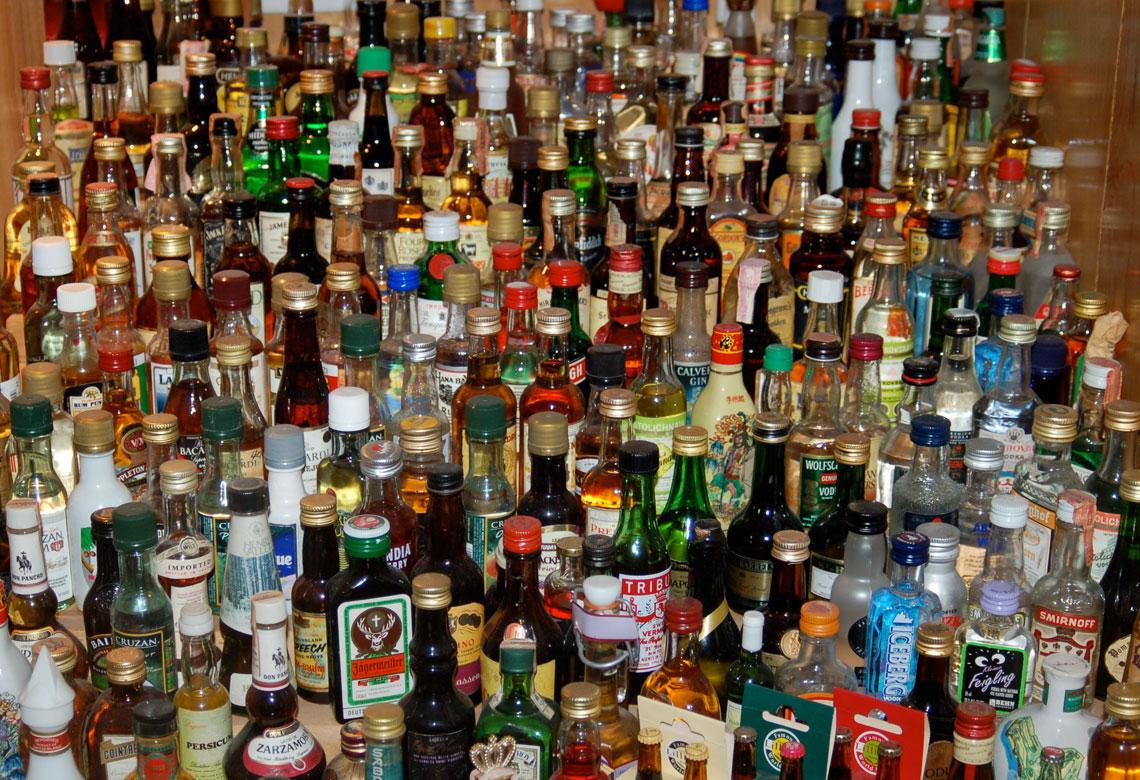
In the borough of Iztapalapa, known more for its dense population and sprawling informal economy than for experimental green policies, a curious transformation is taking place. Roughly 3,000 liters of alcohol confiscated from unlicensed vendors are being repurposed—not destroyed or discarded, but converted into biocombustible. This fuel will irrigate the area’s parks and green spaces during the dry months. The initiative, now in its second year, is part of the seasonal municipal campaign ‘Ponche sin Piquete,’ aimed at encouraging safer holiday celebrations.
At first glance, this may seem like little more than a clever footnote in urban governance—a way to neutralize illicit goods while offering an environmental gesture. But look more closely and it suggests something deeper: a quiet recalibration of how authority is exercised and legitimacy claimed in parts of Mexico often associated with regulatory fragility. By partnering with the Universidad Autónoma Metropolitana (UAM), which provides the technical capacity to carry out safe biodegradation at its Xochimilco pilot plant, the borough presents itself not merely as enforcer but as collaborator in applied sustainability.
The symbolism is potent: what was once destined to fuel clandestine gatherings—or worse—is now fueling public greenery. Vice becomes virtue; waste becomes utility. In this sense, the initiative operates not only in material terms but also in moral ones. It reframes enforcement from punitive removal to creative redirection, aligning with broader currents in circular economy thinking where materials—and by implication, behaviours—are re-contextualized rather than simply removed.
Vice becomes virtue; waste becomes utility—seized alcohol now fuels Iztapalapa’s public greenery.
Such gestures matter all the more because they emerge from a setting where informal alcohol sales are not easily regulated away. The makeshift ‘chelerías’ shut down by authorities often reflect structural economic realities rather than mere deviance. In that context, initiatives like this one do not abolish informality—they acknowledge it tacitly while attempting to contain its effects through symbolic restitution.


Yet the scale remains limited: 3,000 liters represents only a fraction of what circulates unofficially during December festivities alone. Critics could reasonably question whether such projects yield measurable health or environmental outcomes—or whether they function primarily as image management exercises for overstretched local governments. Transparent data on cost-effectiveness or long-term viability remains scarce.
Still, the modesty of impact does not preclude interpretive significance. That seized alcohol might irrigate rather than incinerate suggests a broader aspiration: that government action need not be restricted to deterrence or control but can generate shared value through imaginative adaptation. In doing so, it offers an alternative model of civic engagement—not grandiose or systemic perhaps, but nonetheless resonant in communities accustomed to being governed through absence as much as presence.
Whether such efforts can meaningfully address the socioeconomic underpinnings of informal commerce remains uncertain. But they hint at an evolving urban politics—one that seeks legitimacy not solely from authority enforced but from ingenuity demonstrated. From that perspective, even small-scale conversions like these may reflect wider ambitions: cities learning to transform their liabilities into assets without waiting for national reform.


