


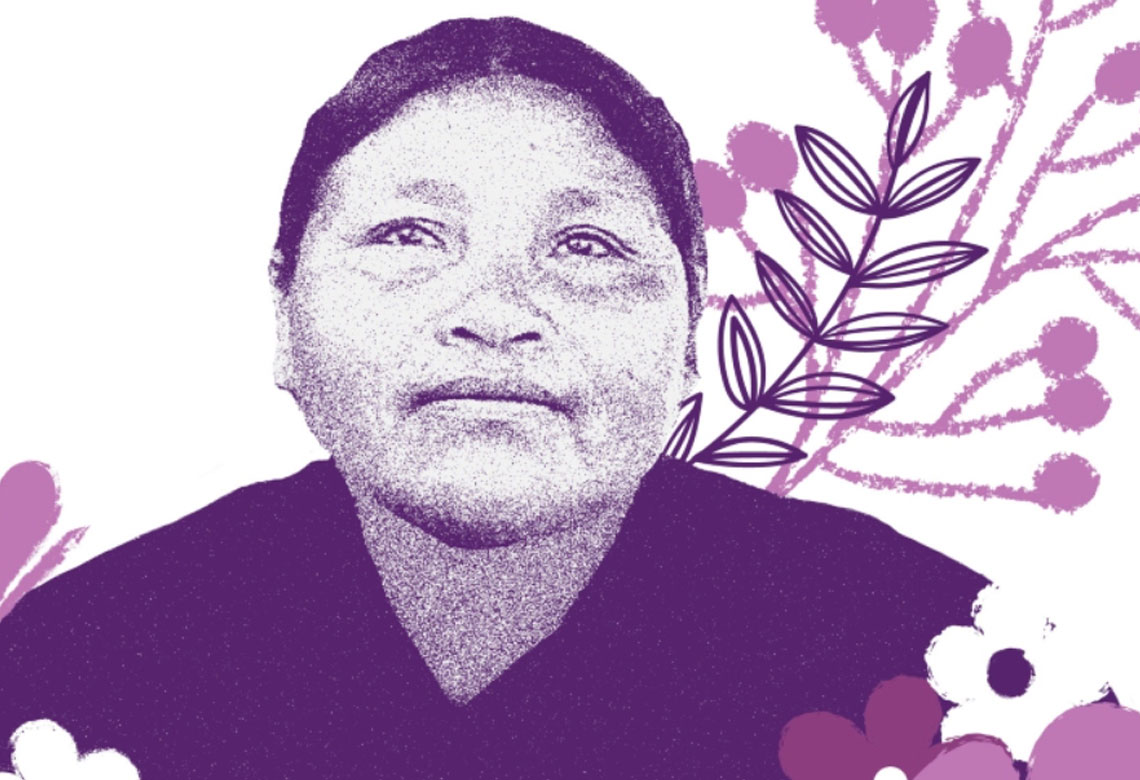
The Inter-American Court of Human Rights (IACHR) has issued a landmark ruling holding the Mexican state internationally responsible for the 2007 sexual assault, torture, and death of Ernestina Ascencio, a 73-year-old Nahua woman. The decision marks a significant legal and institutional reckoning for Mexico, highlighting long-standing deficiencies in its treatment of indigenous communities, its oversight of military conduct, and its delivery of culturally appropriate healthcare and justice.
Ascencio was attacked near her home in Tetlalzinga, Veracruz, shortly after a military encampment was established nearby as part of Mexico’s anti-narcotics operations. According to the Court’s findings, members of the Mexican Army perpetrated the assault. The Court further determined that the state failed to provide timely and adequate medical care, contributing directly to her death. These conclusions stand in stark contrast to the original narrative advanced by Mexican authorities at the time, which denied military involvement and attributed her death to natural causes.
The IACHR ruling is particularly critical of the original investigation, which it found to be marred by discriminatory stereotypes based on gender, ethnicity, and age. The case was closed prematurely without a thorough forensic or judicial process. The Court emphasized that the investigation lacked sensitivity to Ascencio’s identity as an elderly, monolingual Nahua woman—factors that should have informed both medical treatment and legal proceedings.
The ruling underscores how institutional neglect compounds violence against marginalized communities.
In addition to identifying violations of Ascencio’s rights to health, justice, and non-discrimination, the Court found that Mexico failed to ensure access to services in a linguistically and culturally appropriate manner. This failure reflects broader structural issues in Mexico’s public institutions, where indigenous populations often face systemic barriers to accessing basic services and legal protections.


The judgment mandates several corrective measures. Chief among them is the reopening of the criminal investigation into Ascencio’s death. The Court also ordered institutional reforms aimed at preventing similar violations in the future. These include the creation of a national registry of interpreters for indigenous languages within both health and justice systems—a step intended to bridge longstanding communication gaps that have undermined due process for indigenous individuals.
While the ruling sets a clear legal precedent, its implementation may prove challenging. Past experience suggests that compliance with international human rights judgments can be uneven within Mexico’s federal system. Political sensitivities surrounding military accountability may further complicate efforts to reopen the case or pursue disciplinary action against those implicated. Institutional inertia within law enforcement and judicial bodies may also delay or dilute reform efforts.
Nonetheless, the decision adds renewed pressure on Mexican authorities to align domestic procedures with international human rights standards. It underscores the need for more robust civilian oversight of military operations and for greater institutional capacity to address violence against women—particularly those from marginalized communities. The ruling also reinforces international expectations that states must ensure justice systems are accessible and responsive to cultural diversity.
As Mexico grapples with ongoing debates over militarization and indigenous rights, the Ernestina Ascencio case serves as a stark reminder of what is at stake when institutions fail their most vulnerable citizens. Whether this ruling leads to substantive change will depend not only on legal compliance but also on political will across multiple levels of government.


