


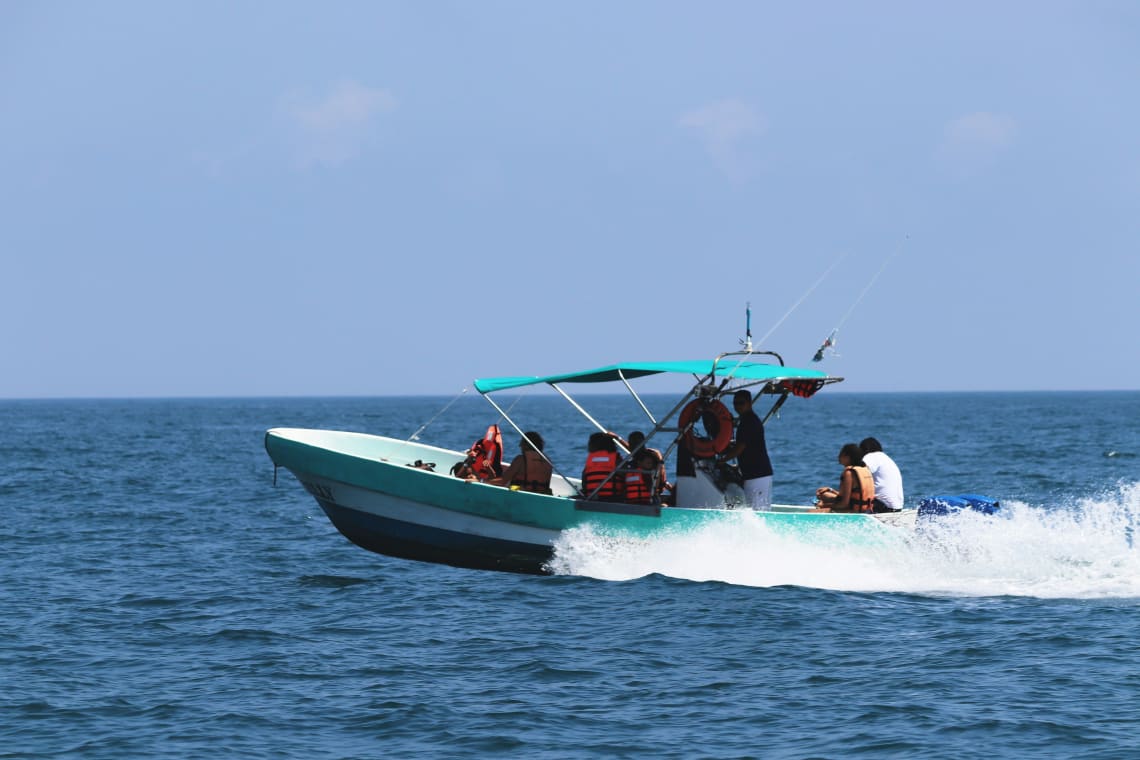
Stretching from the wetlands of Tabasco to the coral-laced shores of Campeche, Mexico’s Gulf coast has long sustained a rich mosaic of marine life and human livelihoods. But as climate change, industrial pollution, and overfishing erode its ecological balance, a new initiative—’Adopta el Golfo’—seeks to reframe conservation as a shared, community-driven responsibility.
Launched in 2024 by environmental authorities and civil society partners, the programme invites coastal communities across Veracruz, Tabasco, and Campeche to adopt specific marine zones. These groups—often composed of local fishers and residents—commit to protecting their assigned areas through habitat restoration, species monitoring, and sustainable practices. In return, they receive technical training and institutional support. It is a model that blends grassroots engagement with scientific oversight, aiming to restore critical ecosystems such as mangroves and coral reefs while reinforcing local agency.
The stakes are high. The Gulf of Mexico hosts more than 1,500 marine species, including endangered sea turtles and manatees. It is also economically vital: fishing sustains many coastal communities and underpins regional cuisine and identity. Yet decades of environmental degradation have left fragile habitats under pressure. Offshore oil activity and untreated waste continue to threaten biodiversity, while warming seas disrupt traditional fishing patterns. Against this backdrop, ‘Adopta el Golfo’ signals a shift toward participatory conservation strategies that attempt to reconcile ecological goals with socio-economic realities.
Conservation cannot be imposed from above but must be cultivated from within.
By placing stewardship in the hands of those most directly affected, the initiative acknowledges the value of traditional knowledge alongside scientific data. Local fishers bring generational insight into marine rhythms; researchers contribute tools for data collection and habitat assessment. This collaboration not only enhances ecological outcomes but also deepens community investment in long-term sustainability. In regions where formal governance may be stretched thin, such hybrid models offer a pragmatic path forward.


Yet challenges remain. The programme’s success hinges on sustained funding and political will—both of which can be fickle. Some communities may struggle to prioritise conservation amid economic uncertainty or lack of infrastructure. Moreover, the broader health of the Gulf depends on curbing upstream pollution and regulating extractive industries, issues that lie beyond the remit of local action.
Still, ‘Adopta el Golfo’ reflects an emerging consensus: that conservation cannot be imposed from above but must be cultivated from within. As environmental pressures intensify, the Gulf’s future may rest less on grand declarations than on the quiet persistence of coastal communities reclaiming stewardship of their waters. If successful, the programme could serve as a regional blueprint for balancing biodiversity protection with cultural continuity.


