


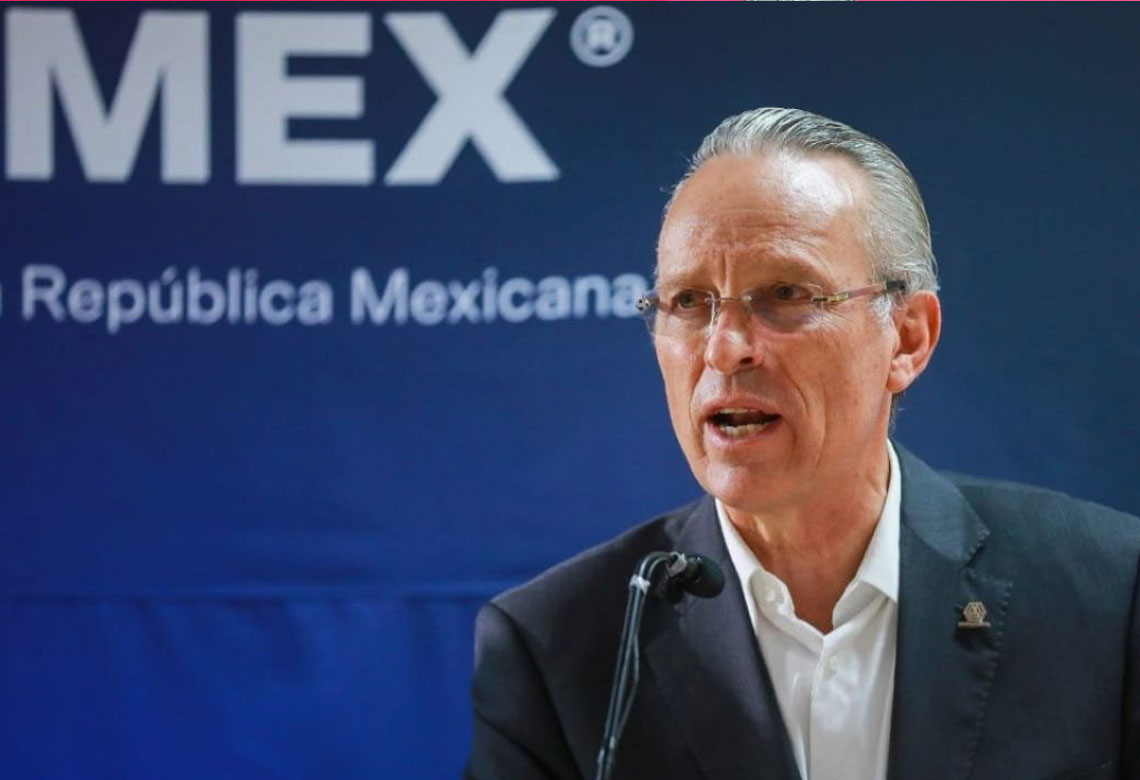
The confirmation of José Medina Mora as the next president of the Consejo Coordinador Empresarial (CCE) marks a strategic moment for Mexico’s private sector. As head of Coparmex, one of the country’s largest employer organizations, Medina Mora has built a reputation for advocating institutional dialogue and legal certainty—qualities that will be tested as he assumes leadership of Mexico’s most influential business federation in 2024.
Medina Mora’s unopposed election signals a rare alignment among the CCE’s diverse member chambers, which span industries from manufacturing to finance. This unity is notable given the fragmented interests that often characterize Mexico’s business landscape, particularly on contentious issues such as energy reform and labor regulation. His selection also reflects a desire for continuity in engagement with the federal government during a period of political change and economic recalibration.
The CCE plays a pivotal role in articulating private sector positions on trade, tax, and regulatory matters. Its influence is particularly salient in the context of the USMCA and the ongoing reconfiguration of North American supply chains. Medina Mora’s stated priorities—rule of law, democratic institutions, and sustainable growth—align with investor concerns about predictability and governance, especially as Mexico seeks to capitalize on nearshoring trends.
Business unity offers leverage—but only if it holds through policy divergence and political change.
Yet the CCE’s ability to shape outcomes may be constrained by broader political dynamics. With a new administration in office following the 2024 elections, policy direction remains uncertain. The previous leadership under Francisco Cervantes maintained open channels with the federal government despite ideological divergences, notably during periods of regulatory unpredictability. Whether Medina Mora can preserve this balance will depend on both his diplomatic skill and the willingness of authorities to engage.


Challenges also lie within. While Medina Mora’s consensus candidacy suggests cohesion, underlying tensions among member chambers could resurface—particularly on issues where business interests diverge. Energy policy remains a flashpoint, with some sectors pushing for liberalization while others align more closely with nationalistic frameworks. Labor compliance under USMCA provisions adds another layer of complexity.
Still, the leadership transition offers an opportunity to recalibrate the private sector’s role in shaping Mexico’s economic trajectory. As global investors assess Mexico’s position in shifting supply chains, a stable and credible business interlocutor can help bridge policy gaps and reinforce confidence. Medina Mora’s emphasis on institutional integrity may resonate beyond domestic audiences, especially among international partners seeking clarity amid geopolitical flux.


